Our Materials
How we think about sustainable materials, and the materials we supply.
How We Think About Sustainable Materials
Sustainability means many things. Material lifecycle sustainability includes how a material is made, how it gets where it's going, how it holds up, and what happens when it's done.
01
What It's Made From
We look at what a material is made of — recycled (PCR/PIR), bio-based, bio-circular, or virgin — and what's in there alongside it: additives, processing chemistry, and the supply chain behind the supply chain. Each carries different tradeoffs, and we aim to be clear about which we're recommending and why.
01
What It's Made From
We look at what a material is made of — recycled (PCR/PIR), bio-based, bio-circular, or virgin — and what's in there alongside it: additives, processing chemistry, and the supply chain behind the supply chain. Each carries different tradeoffs, and we aim to be clear about which we're recommending and why.
Our Strategic Partners
The work of bringing the next generation of materials to market is built on relationships with leading suppliers.
Materials We Supply
We supply sustainable materials across three categories. Each carries different tradeoffs, and we aim to be clear about which we're recommending and why.
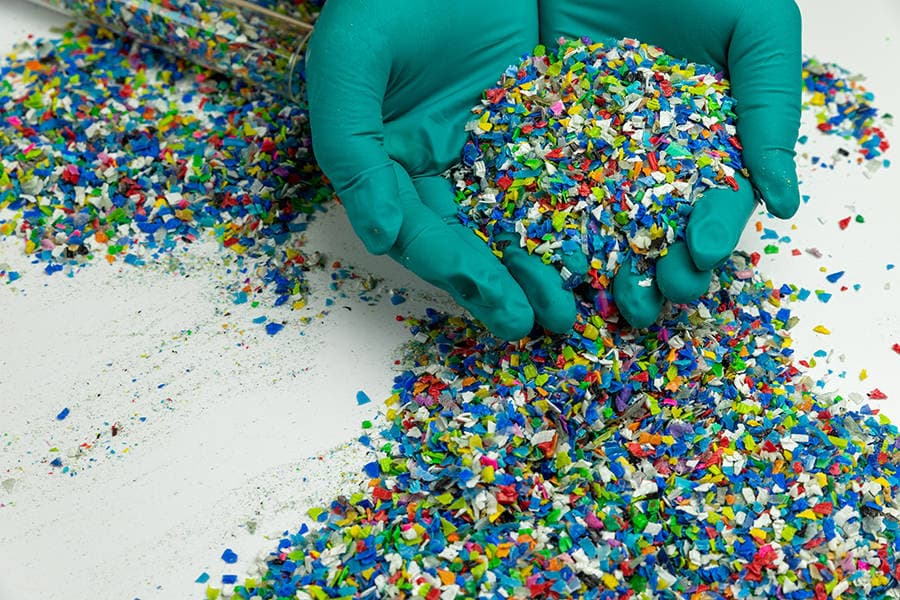
Recycled Materials (PCR/PIR)
Post-consumer recycled (PCR) and post-industrial recycled (PIR) materials that give new life to existing waste streams. We work with grades that meet the same quality and safety bars as virgin material, while reducing carbon footprint and waste to landfill.
Examples: PCR ABS, PCR PC, PCR PA6/PA66, PCR PP/PE, PCR TPE, rPET
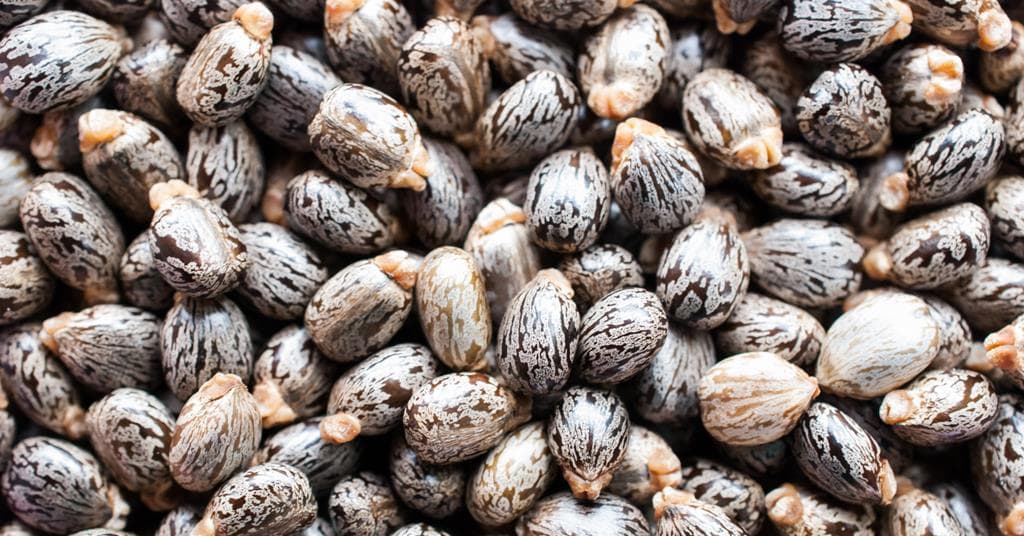
Bio-Based Materials
Materials derived from renewable biological feedstocks rather than fossil fuels. They reduce dependence on petrochemicals and, in many cases, lower the carbon footprint compared to virgin alternatives.
Examples: Bio-based PA, PLA, PHA

Bio-Circular Materials
Materials that combine bio-based feedstock with circular-economy principles — designed to be recovered, recycled, or composted at end of life. ISCC PLUS certification gives a verified mass-balance approach for tracking these materials through the supply chain.
Examples: Bio-circular PC, Bio-circular PC/ABS
Projects
A selection of products built with the materials we supply.
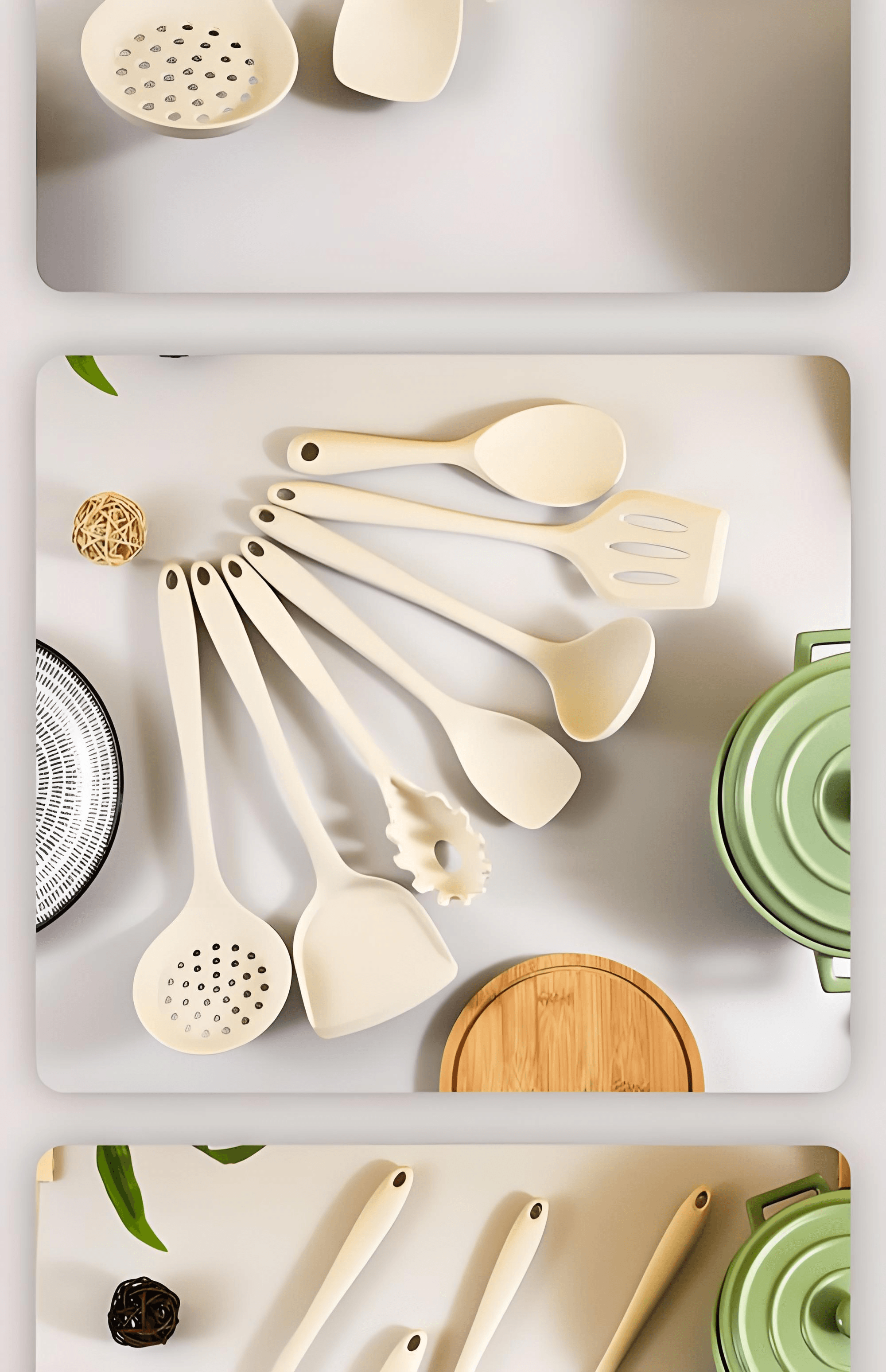
EcoPaXX Q-KG6-FC
Kitchen Utensils
- Sustainable content: ~72% Bio-based
- Food contact material
- Chemical resistance
- Low water absorption